

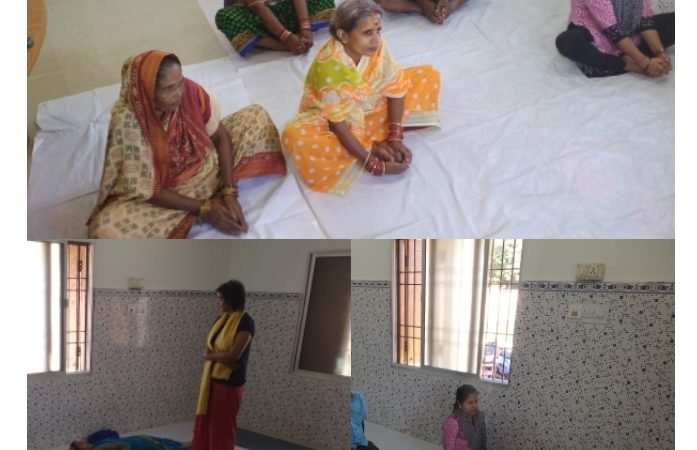
Modern life can place continuous demands on attention, time and emotional energy. Yoga therapy offers practical tools that may help people respond to stress with more awareness and steadiness.
Understanding the stress response
Stress can affect breathing, muscle tension, sleep, digestion, concentration and mood. Noticing these signals early can make it easier to pause and choose a supportive response.
Simple tools to try
Begin with a comfortable posture and a few slow breaths without forcing the inhale or exhale. Add gentle stretches for the neck, shoulders and spine. A short relaxation practice before bed may help create a transition into rest.
Build a routine you can keep
Choose one or two practices that fit your day. A five-minute pause between tasks, a short walk with mindful breathing or a gentle evening sequence can be more sustainable than an ambitious routine.
Stress support is personal
Yoga therapy is not a promise to eliminate stress. It is one set of tools that can complement healthy sleep, supportive relationships, appropriate medical care and professional counselling when needed.
Small, consistent practices can also help create a greater sense of control during demanding periods. Setting aside a quiet corner, reducing distractions and approaching each session without judgement can make the routine easier to maintain. The aim is not to perform perfectly, but to notice what the body and mind need and respond with patience.
If stress feels overwhelming, affects daily functioning or is accompanied by thoughts of self-harm, seek immediate help from qualified professionals or local emergency services. Support, rest and compassionate care matter.